The Simplicity Advantage and Why Complexity Kills Growth
September 24, 2025
Complexity Hides in Plain Sight
Every organization wants to move faster and serve customers better, but complexity sneaks in everywhere. Extra approvals, overlapping reports, and outdated KPIs might initially feel harmless, yet they quietly slow decisions, drain energy, and frustrate employees.
I've watched teams work harder and harder while results stayed flat, not because people lacked skill, but because complexity added invisible drag.
The Real Cost of Complexity
- Speed: Projects stall while waiting for signatures or chasing missing data.
- Quality: More handoffs mean more opportunities for errors.
- People: Talented employees spend their day firefighting instead of improving.
When margins tighten and competitors move quickly, that drag can mean the difference between growth and decline.
The Power of Simplicity
Lean thinking is about clarity: making work visible, eliminating waste, and empowering the people who do the job to improve it. When a process is simple, teams see problems sooner and solve them faster.
I've seen production lines reduce lead time by 40%, not by buying new equipment, but by removing unnecessary steps and giving employees the tools to act.
Kick-Start Change with a Fast-Break Kaizen
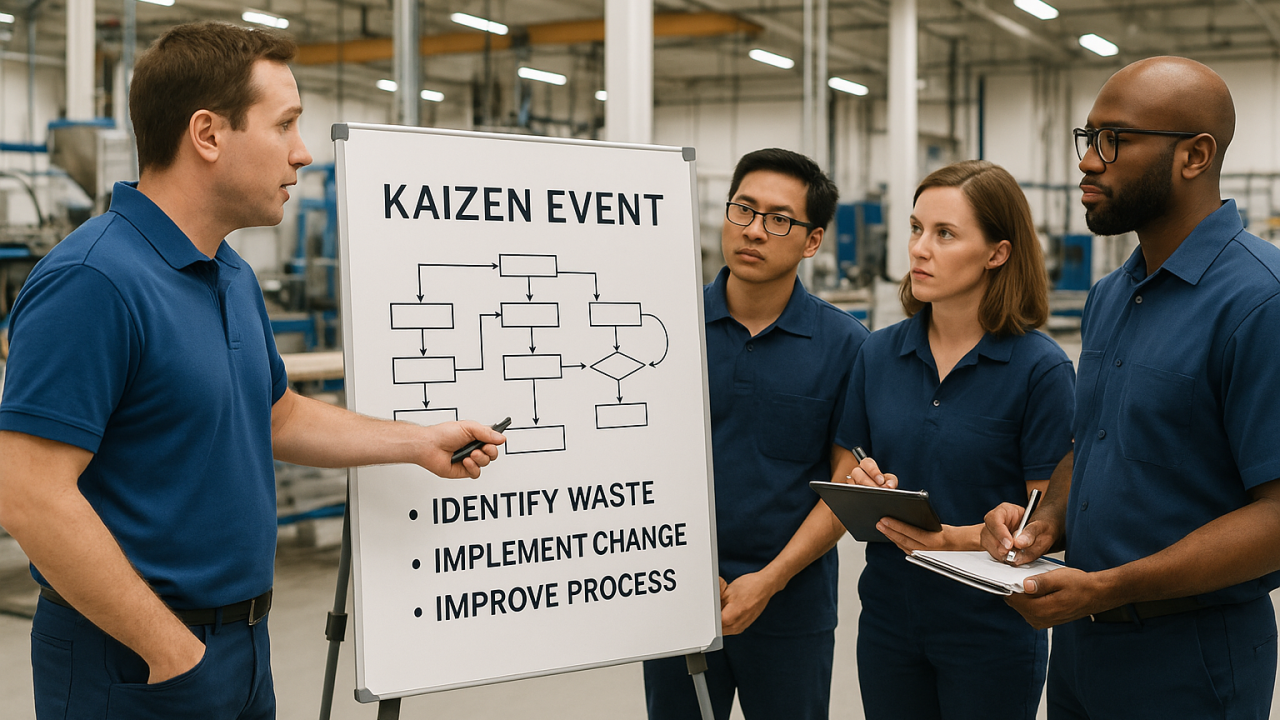
You don't need a year-long project to see results. A fast-break kaizen event, a focused 2-3 day workshop with cross-functional employees, can expose hidden complexity and remove it immediately.
Here's a simple rhythm that works:
- Observe the flow together: walk the process from start to finish.
- Identify waste: look for waiting, rework, and any step that adds no value.
- Act the same week: redesign, test, and implement the improvements right away.
The energy that comes from quick wins often sparks a cultural shift. People realize improvement isn't a big project. It's part of daily work.
Your Next Step
If you lead a team, ask: Where are we making things harder than they need to be? Invite a small group to run a fast-break kaizen around that pain point. The payoff is immediate: faster decisions, less waste, and a workforce that sees itself as the engine of improvement.